
 ·
5 minute read
·
5 minute read
Robotics has become a realistic option for businesses looking to change how certain physical, repetitive tasks are done. But being able to automate a task and having a good reason to automate it are two different things.
A robot may be capable of cleaning a large floor area, transporting materials, or handling routine deliveries. The more important questions are what those changes mean for the business, how it fits into the existing workflow, and whether the time and cost justify the investment.
Before getting started with workplace robotics, it helps to know where the technology makes sense, what to evaluate, and what can easily be overlooked.
Key Takeaways
- Start with a specific task before looking at robotic products.
- Understand what the robot can and cannot do without employee involvement.
- Evaluate the facility, traffic patterns, network connectivity, and charging requirements.
- Look at the total cost and expected benefit rather than the equipment price alone.
- Include employees in the evaluation and training process.
- Ask about maintenance and technical support before purchasing.
- Consider starting with one defined application before expanding.
- Robotics should solve a practical problem. If the task, environment, and numbers don't make sense, it may not be the right solution.
What Can Workplace Robots Do?
Most commercial robots are built to handle specific, repeatable tasks within a larger workflow.
Common applications include:
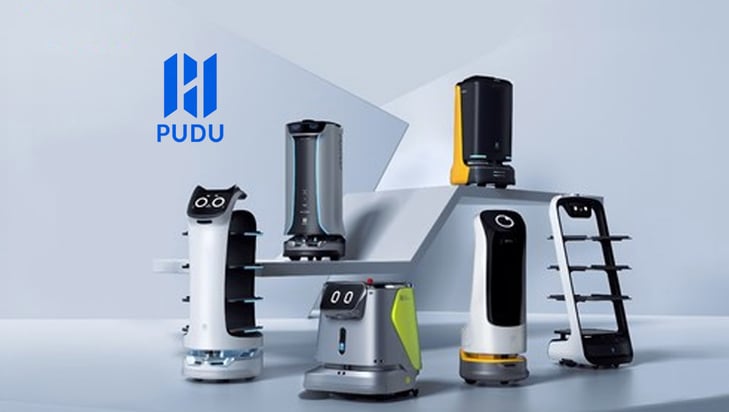
Cleaning: Robots can scrub, mop, sweep, and vacuum floors in commercial spaces.
Delivery and transport: Robots can move food, supplies, materials, linens, and other items between locations.
Material handling: Certain robots are designed to transport heavier loads within warehouses, manufacturing facilities, and other commercial environments.
Hospitality and service: Robots can assist with food delivery, serving, guest deliveries, and some customer-facing functions.
In practice, these robots handle part of a larger process.
Robotics can reduce the amount of hands-on work required for certain activities, but it doesn't remove the need for people. Knowing where that line falls is part of evaluating whether a solution makes sense for your business.
Start With the Task, Not the Robot
Before comparing models and features, identify the job you want the robot to perform.
"Help our cleaning department" is too broad. "Clean the main corridors and open floor areas each evening" gives you something you can evaluate.
Ask:
- What task would the robot perform?
- How frequently is that task done?
- How much employee time does it currently require?
- Is the task fairly predictable?
- What would employees still need to do?
- What could employees do with the time that becomes available?
Not every repetitive task is necessarily a good candidate for robotics. How consistent the work is, where it takes place, and how often it requires human judgment can all affect whether automation is practical.
Look Closely at Your Facility
A robot that works well in one building may not be practical in another.
Commercial robots use sensors, cameras, mapping technology, and other systems to navigate, but the physical environment still matters.
Walk through the route the robot would take. Look at hallway and doorway widths, tight corners, flooring changes, ramps, elevators, furniture, carts, and other obstacles.
Traffic patterns matter, too. A cleaning robot working in an empty building after hours faces different conditions from a delivery robot moving through a busy restaurant during dinner service.
Businesses also need to account for the fact that workplaces change throughout the day. Furniture moves. Deliveries arrive. Doors close. Carts get left in hallways.
Evaluating the robot in the environment where it will work can reveal limitations that aren't obvious during a demonstration.

Check the Technology Requirements
The robot itself is only part of the deployment.
Depending on the solution, businesses may need to consider network connectivity, charging, software, mapping, updates, and connections with other building systems.
Before moving forward, find out exactly what is required.
Is WiFi coverage reliable throughout the operating area? Where will the robot charge? Does it need to use elevators or pass through controlled doors? Who manages software updates?
Security should be part of the discussion as well. Businesses should understand how the robot connects to their network, who can access its management software, and how updates and data are handled.
Your IT team or technology provider should be involved early enough to address these questions before deployment.
Be Realistic About the Cost and Expected Return
Robotics is often discussed in terms of labor savings, but the calculation isn't always that simple.
If an employee currently spends two hours cleaning a large floor area, putting a robot on part of that job doesn't necessarily eliminate two hours of labor. Someone may still need to prepare the area, service the machine, address areas it cannot reach, and perform the rest of the cleaning work.
Instead, look at what changes.
Can that employee complete other cleaning responsibilities while the robot handles the floor? Can a small team cover more of the building? Can warehouse employees spend less time moving materials and more time on other work?
Businesses should then compare those benefits with the full cost of the solution, including the robot, software, setup, training, maintenance, charging requirements, and ongoing support.
The numbers should make sense for the specific application. If they don't, robotics may not be the right solution for that task.
Include Employees in the Process
Employees need to know why the robot is being introduced and how it will affect their work.
Training should cover practical questions. Who starts the robot? What happens if something blocks its route? Who responds to an error? What routine maintenance is required? Who contacts support?
It can also be useful to involve employees before choosing a solution.
The people who perform a task every day know where bottlenecks occur, which areas become crowded, and which parts of the process don't go according to plan. Their input can help identify problems that might not be obvious during a brief facility walkthrough.
This is also an opportunity to explain what the robot is intended to do. Employees are more likely to understand the change when they know which tasks are being automated and what responsibilities will remain with them.

Find Out What Support Looks Like
Before choosing a solution, find out who handles troubleshooting, software updates, maintenance, replacement parts, and technical questions.
Also ask what your own employees will be responsible for.
Once a robot becomes part of a regular workflow, downtime matters. A business that relies on a robot for nightly floor cleaning or daily deliveries needs to know where to turn when something isn't working.
The quality and availability of ongoing support should be part of the purchasing decision, not an afterthought.
Start With a Manageable Application
Starting with one clearly defined application gives you an opportunity to see how the technology performs under normal working conditions.
Decide ahead of time what you want to measure. Depending on the application, that could include:
- Task completion
- Employee involvement
- Frequency of interruptions
- Time employees can redirect to other responsibilities
- Reliability
- Maintenance and support needs
Did the robot consistently perform the assigned task? Did it require more employee attention than expected? Did it allow employees to spend time on other work? Were there problems with the facility or workflow that weren't anticipated?
Those answers can help determine whether robotics makes sense in other parts of the business.
Common Mistakes to Avoid
Even when a robot can handle the intended task, problems can arise from how it is selected, deployed, and supported. Here are some common mistakes:
Choosing based on features instead of the job. More capabilities don't necessarily make a robot better suited to your application.
Assuming autonomous means no employee involvement. Robots still require setup, maintenance, monitoring, and occasional assistance.
Ignoring the facility. Flooring, traffic, narrow spaces, network coverage, and other conditions can affect performance.
Leaving employees out of the process. The people doing the work can provide useful information about how the task is carried out.
Overlooking ongoing support. Know who services the robot and what happens when technical help is needed.
Frequently Asked Questions
Will a workplace robot replace employees?
Commercial robots generally perform defined tasks rather than all aspects of an employee's role. A cleaning robot, for example, may handle open floor areas while employees continue performing detailed cleaning and other work that requires a person. Businesses should evaluate how robotics changes a particular task rather than assuming it replaces an entire position.
How much do commercial robots cost?
Cost varies based on the type of robot, its capabilities, the application, software, support, and facility requirements. Businesses should consider the total cost of deployment and ownership when comparing options.
What tasks can workplace robots handle?
Commercial robots can assist with floor cleaning, vacuuming, sweeping, delivery, transporting supplies and materials, moving loads, food service, and certain customer-facing activities. Whether a task is suitable for robotics depends on the work itself and the environment where it takes place.
Ready to Explore Robotics for Your Workplace?
If you're considering robotics, the first question is whether there's a specific task in your workplace that makes sense to automate.
Pulse Technology offers robotics solutions for commercial cleaning, delivery, material transport, hospitality, and other workplace applications. Pulse can help you identify which tasks may be suitable for automation, assess your facility, and determine which robotic solutions are worth considering.
Contact Pulse Technology today to learn more about Pudu robotic solutions and explore whether robotics makes sense for your workplace.