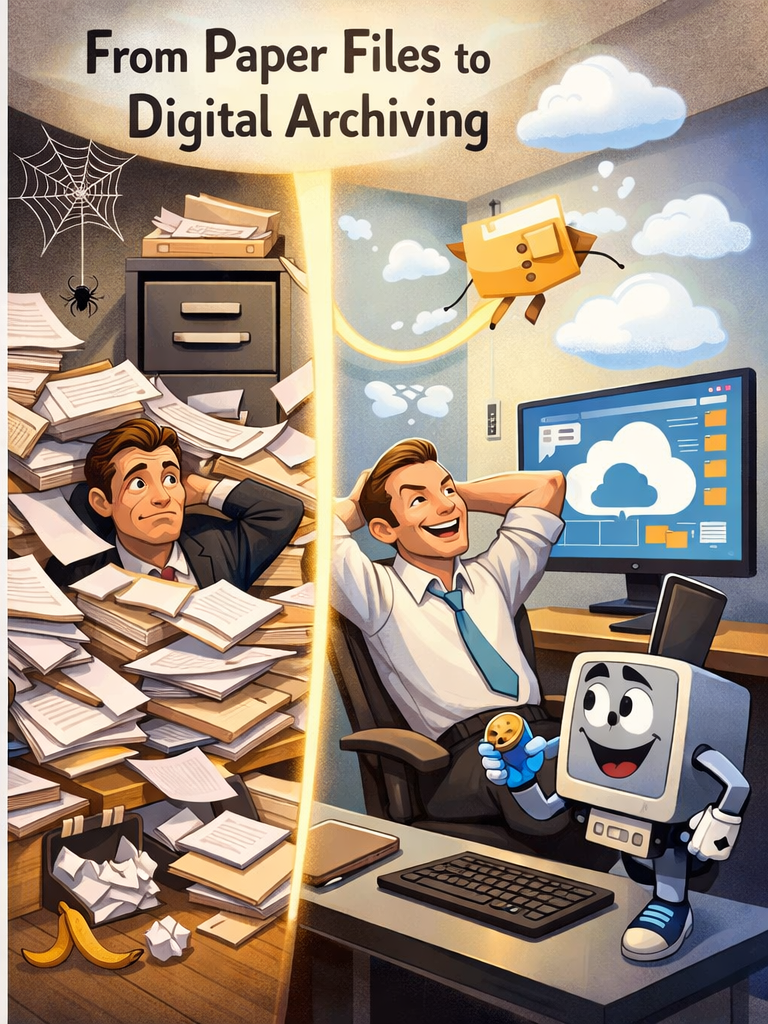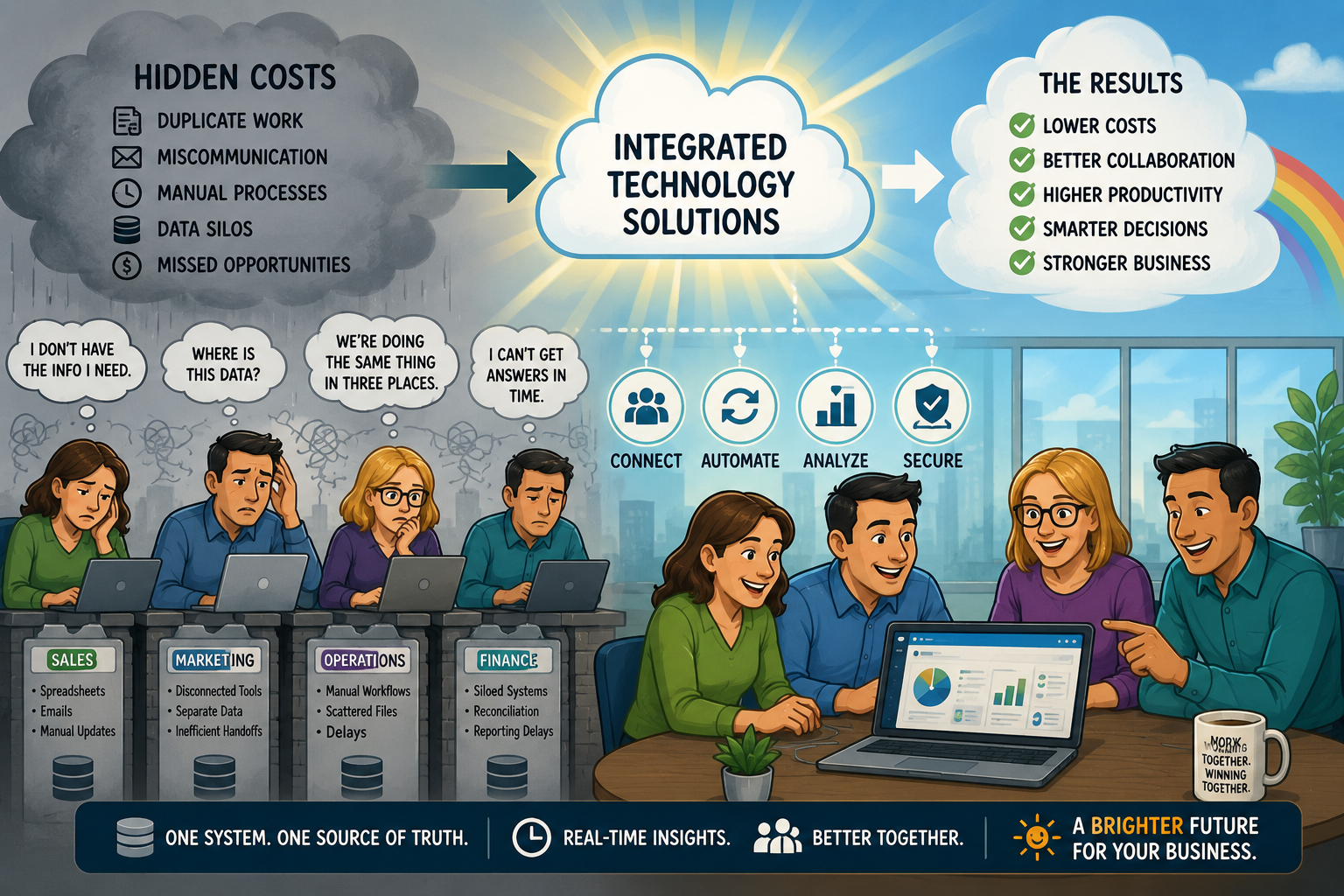

The true cost of paper and how going digital can be a smart business move
Paper plays a key role in the operation of many businesses. One statistic shows that the average employee in a larger company generates around 10,000 paper copies in a year. What is the actual cost to generate all these documents each year? For organizations which rely heavily on printed documents, the real costs often go far beyond what shows up on a supply invoice.
Paper might seem inexpensive and convenient. A ream costs only a few dollars, printers are already in place, and workflows are familiar. But at closer look, the total cost of paper-based processes, or what is sometimes known by analysts as “the total cost of ownership” can add up quickly.
The trend toward “paperless” with companies offers benefits including conserving on resources and helping companies manage their expenses. Beyond that, though, a conversion (at least in part) to digital can improve how information moves, how employees work, and even how decisions get made.
The hidden costs of paper
The direct costs of printing are easily identifiable: paper, toner, and maintenance, for example. Here are some other costs to factor into the discussion.
- Time and labor inefficiencies
- Storage and real estate costs
A paper-based workflow requires manual handling at every step. There is printing, filling, retrieving, copying, and distributing documents. Then there is the time spent searching for information, re-entering data, or walking documents from one department to another.
One study, in fact, shows that workers can spend as much as 20% of their day searching for information – time that most employers would feel could be better spent. When documents are stored in filing cabinets or across desks, that can lead to inefficiency.
Physical documents take up space, and sometimes quite a lot of it. Filing cabinets, storage rooms, and offsite document storage all have costs, whether direct, such as rent or storage fees, or indirect, where this lost workspace might be used more productively. As businesses grow, so does the volume of paper. Without a digital strategy, storage needs can escalate faster than expected.
- Printing and consumables
- To err is human!
The visible costs of printing, such as paper, toner, and ink, are ongoing, and sometimes underestimated. Color printing, as one example, is considerably more expensive than black and white; and unnecessary printing such as duplicate copies or abandoned print jobs help contribute to waste. Companies that do not track print usage closely, as through a Managed Print Services program, may be surprised at how quickly these costs can accumulate.
Manual processes are more prone to human error. Misfiled documents, outdated versions, and data entry mistakes can lead to delays, compliance issues, and needing additional labor to correct any problems which could arise. In industries like healthcare, finance, and manufacturing, these errors can have financial and regulatory consequences.
- Security risks
Paper documents are difficult to secure and track. Whether that is a piece of sensitive information left on a printer tray, a misplaced file, or unauthorized access to file cabinets, these actions can exposure a business to risk. Unlike a digital system, there is no audit trail with paper, meaning that it is harder to monitor who accesses what, and when.
What going digital really means
“Going digital” does not necessarily mean eliminating paper entirely. Instead, it means transitioning key workflows from manual, paper-based processes to digital systems that are easier to manage, search, and secure.
Some ways that a company can benefit from going digital include:
- Scanning and indexing documents for digital storage
- Implementing document management systems
- Automating approvals and workflows
- Using electronic forms and signatures
- Integrating documents with existing business applications
The objective is not just to reduce paper, but to improve how information flows through the organization.
Digital workflows can benefit businesses
Digitizing can bring measurable improvements across several areas of a business.
- First, it allows for increased productivity. Digital documents can be searched, retrieved, and shared instantly. Instead of digging through file cabinets or email chains, employees can access the information they need in seconds. Automated workflows also reduce bottlenecks. Approvals that once took days—waiting for physical signatures or routing—can happen in hours or even minutes.
- Secondly, it results in lower operating costs. Reduced paper usage will save on supplies and printing, and also reduced labor, fewer errors, and less time spent on administrative tasks. In particular, a company that implements Managed Print Services (MPS) and document automation can also reduce total document-related costs over time – up to 25% of a company’s expenditures in this area.
- Digital workflows offer better security and compliance. Digital systems can include access controls, encryption, and audit trails. These features are difficult if not impossible to replicate with paper. This is important for businesses that handle sensitive information or must comply with regulations. Being able to track document access and maintain version control can reduce risk and improve accountability.
- Digital workflows bring about improved collaboration. Documents can be shared across teams, departments, and locations without delay. This is particularly valuable in today’s hybrid and remote work environments. Multiple users can access the same document simultaneously, ensuring everyone is working from the most current version.
- Environmental impact: Reducing paper usage also supports sustainability goals. Less printing means lower paper consumption, reduced waste, and decreased energy use associated with printing devices. For many businesses, this aligns with broader environmental, social and governance initiatives and can be important to their brand.
Getting started
For businesses considering a move toward digital workflows, the change does not need to take place all at once. Businesses could begin by identifying high-volume processes, or areas where paper is used most heavily, such as accounts payable, HR, customer records, or compliance documentation.
An appropriate next step would be to assess current costs and pain points. Where are errors occurring, for example? Where are employees spending unnecessary time?
In getting started, begin with processes that can be digitized with minimal disruption, but which can deliver some immediate value, such as scanning and indexing documents, or implementing e-signatures. And of course, any digital solutions should complement your current IT environment.
As you delve a little further into digitizing, give some thought to a plan that defines how documents are stored, named, accessed and secured.
The shift from paper to digital is really about how businesses operate. Businesses that embrace a digital workflow find themselves more nimble and able to compete in today’s fast-paced environments. We do not believe that paper will disappear, but instead that the forward-thinking businesses embrace the value of digital workflows.
Do you feel like learning more? With seven decades’ experience, we pride ourselves on being on the “cutting edge” of the latest in what makes businesses run more smoothly. Whether it’s archiving, going digital, how to manage your print costs, or matters related to AV or IT, please give us a call at 888-357-4277 or visit https://pulsetechnology.com. We are here to help.