
Sticky Notes & Shared a Passwords: The $200,000 Security Gaps in Your Office
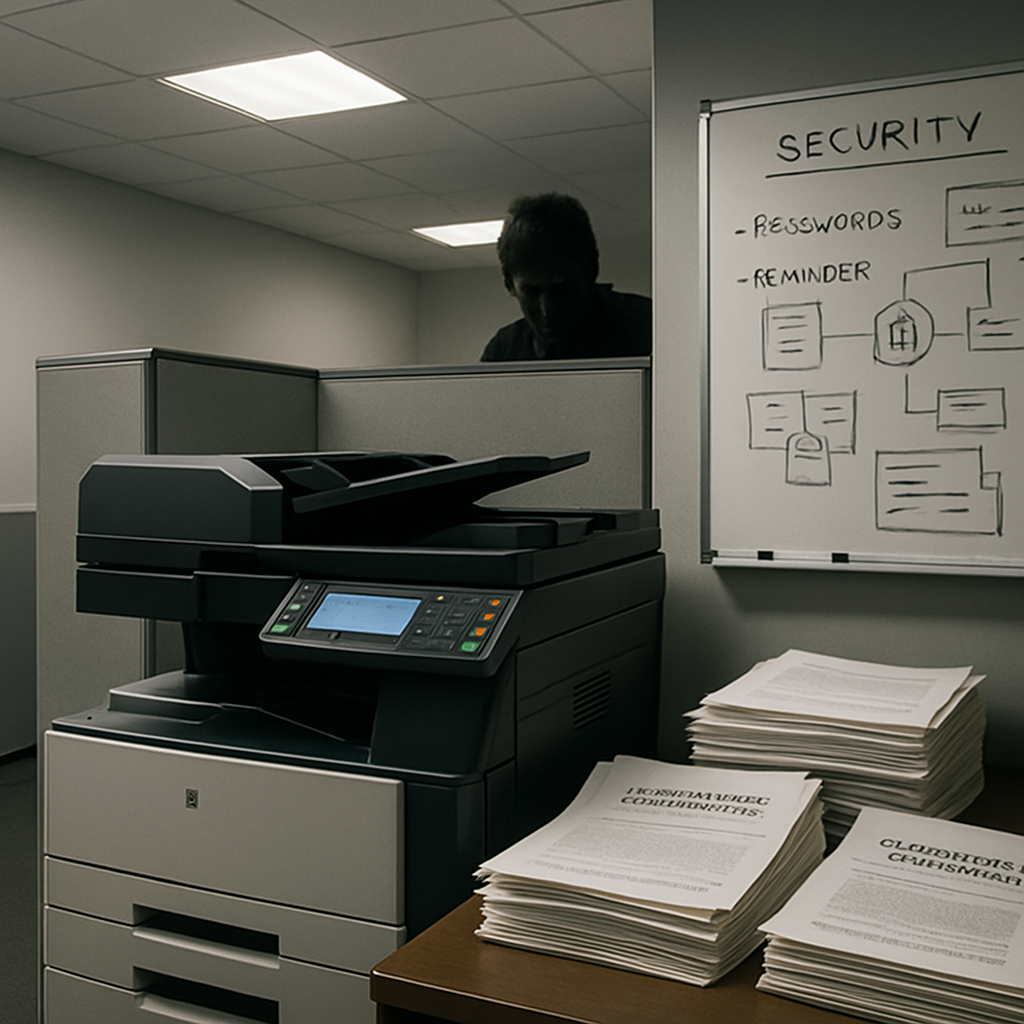
Walk into almost any office in Illinois, and you'll see them: sticky notes on monitors, shared login credentials in unlocked desk drawers, and passwords that haven't changed since 2019. These aren't just bad habits. They're security gaps that cost businesses an average of $200,000 when exploited.
The Real Cost of "Convenient" Security
A mid-sized accounting firm in suburban Chicago thought they were doing fine. Their IT was "handled." Employees shared the office Wi-Fi password freely. The receptionist kept a master list of passwords in her desk for when people forgot theirs. Everything worked smoothly until it didn't.
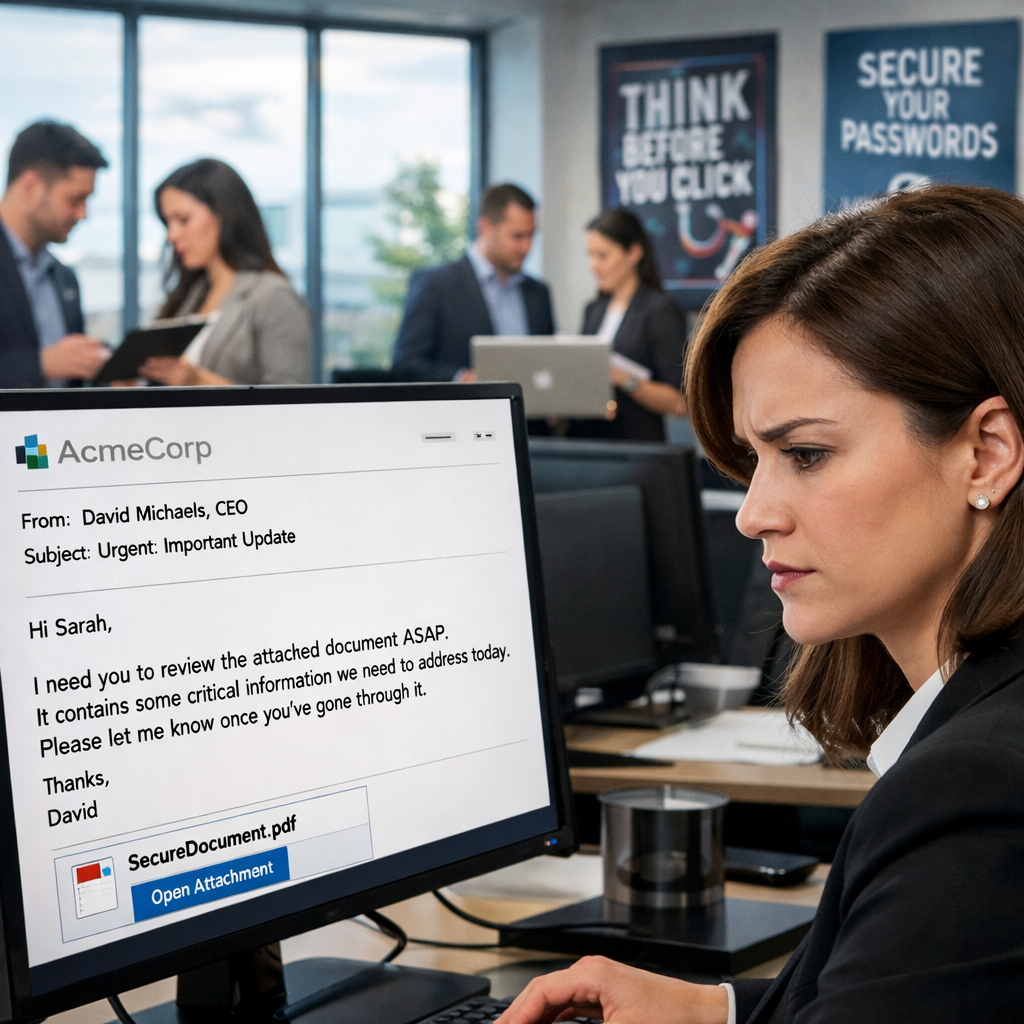
One morning, the firm's clients started receiving emails that looked legitimate, came from the firm's actual email addresses, and asked them to "verify" their Social Security numbers and bank details. A hacker had been inside their network for weeks, harvesting credentials and monitoring communications. The breach cost them three major clients, $180,000 in recovery and legal fees, and nearly destroyed their reputation.
How Bad Habits Become Open Doors
Cybercriminals don't need sophisticated tools to break into most small and mid-sized businesses. They just need you to make it easy. Here's how simple habits create catastrophic vulnerabilities:
Passwords on sticky notes: Physical access means digital access. Anyone walking through your office can photograph a password and use it remotely.
Shared login credentials: When five people use the same login, you can't track who did what or who clicked the wrong link.
Unchanged passwords: That password from 2019? It's probably already for sale on the dark web from another breach.
No multi-factor authentication (MFA): Without MFA, stolen credentials equal full access to your systems.
Employees reusing personal passwords: When their personal email gets breached, hackers try the same password on your business systems.
Your Credentials Are Already Out There
Here's the uncomfortable truth: 9 out of 10 companies already have employee credentials for sale on the dark web. Right now. Before any breach happens in your office, hackers already have usernames, passwords, and email addresses harvested from previous breaches at other companies where your employees used the same credentials.
This is why "we've never had a problem" doesn't mean you're safe. It just means you haven't discovered the problem yet. Most businesses don't realize they've been compromised until clients start complaining about suspicious emails or banks flag unusual activity.
The Domino Effect of One Weak Password
Let's walk through what happens when one employee's password gets compromised:
- Hacker obtains password from a data breach at another company
- They try the same credentials on your business email and network
- It works because the employee reused their password
- Hacker monitors emails for weeks, learning your processes and clients
- They send legitimate-looking requests for wire transfers or sensitive data
- By the time you notice, thousands of dollars are gone or client data is exposed
The average time a hacker spends inside a network before detection? Three months. That's three months of silent access to your emails, files, client data, and financial systems.
What Actually Works: Real Security, Not Security Theater
Telling employees to "be more careful" doesn't work. Sending an annual email about security doesn't work. What works is making it impossible for simple habits to create catastrophic gaps:
Mandatory multi-factor authentication (MFA): Even if credentials are stolen, hackers can't get in without the second factor.
Password managers: Employees don't need to remember or write down complex passwords.
Dark web monitoring: Know immediately when your credentials appear for sale.
Enforced password policies: Automatic expiration and complexity requirements that actually get followed.
Simulated phishing campaigns: Train employees to spot threats with real-world scenarios, not boring videos.
24/7 monitoring: Catch suspicious activity before damage is done.
The $200,000 Question
How much does it cost to fix these gaps before a breach happens? Far less than $200,000. How much does it cost after? Between downtime, recovery, legal fees, lost clients, and reputation damage, the average small to mid-sized business pays between $200,000 and $3 million.
The businesses that avoid this cost are the ones that stopped relying on sticky notes and good intentions and started treating cybersecurity like the business-critical function it actually is.
You Already Have a Breach — You Just Don't Know It Yet
Most Illinois businesses operate under the assumption that if nothing bad has happened, they're secure. But security isn't about what hasn't happened. It's about what's already happening that you can't see.
Right now, there's a high probability that at least one of your employee credentials is actively circulating in underground forums. The question isn't whether you're at risk. The question is: how long until someone uses it?
ABOUT PULSE TECHNOLOGY
For 70 years, Pulse Technology has been the trusted technology partner for Illinois businesses. We're not a faceless corporation or a rotating help desk. We're a local, family-owned company that shows up when others don't, fixes what others can't, and speaks plainly about what actually keeps your business secure.
Our cybersecurity services aren't about selling you fear. They're about giving you clarity: where you're exposed, what it takes to fix it, and how we keep you protected 24/7 with monitoring, training, and real accountability.
See What's Already Out There: Free Dark Web Exposure Report
We'll scan the dark web and show you exactly how many of your employee credentials are already for sale. No sales pitch. Just the facts you need to make an informed decision.
What you'll get:
- Complete list of compromised employee credentials
- Details on which breaches exposed your data
- Risk assessment and recommended next steps
- No obligation and no hard sell
Call us at (847) 398-5870 or visit pulsetechnology.com to request your free Dark Web Exposure Report today.