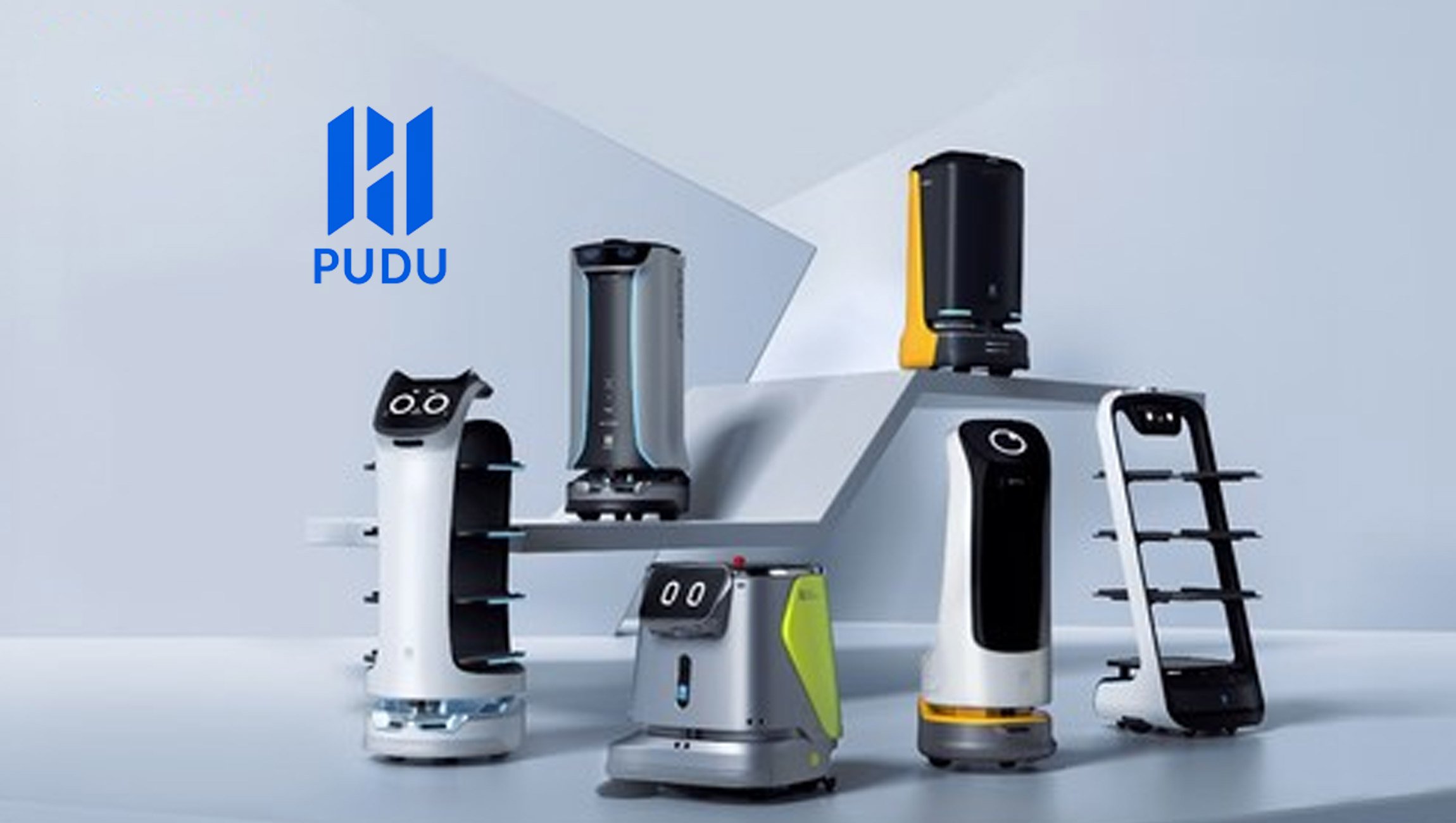

Robotics in the Workplace: Why the Future of Work Is Human + Robot, Not Human vs. Robot
“Robotics” can be a highly-charged word in the business community, especially among employees who sometimes equate the term with having workers replaced and jobs eliminated.
It is true that automation has changed the way work gets done, but the reality in the workplace is far different than the perception some may have. In industries ranging from manufacturing and warehousing to healthcare, hospitality, education, and commercial cleaning, robots are increasingly being used to support human workers, not to replace them.
Many organizations adopt robotics because they face labor shortages and rising operational demands, coupled with the desire to improve efficiency. Rather than eliminating jobs, robots help employees focus on higher-value work, while reducing repetitive, physically demanding, or time-consuming tasks.
The most successful workplaces are discovering that the future is not humans versus robots. It is instead humans and robots working together.
Addressing labor challenges
Many businesses today struggle to fill open positions. Manufacturing facilities, warehouses, healthcare organizations, schools, and commercial properties often face staffing shortages that make it difficult to keep up their productivity and service levels.
Robotics can bridge these staffing shortages by handling routine tasks that are difficult to staff consistently. Autonomous mobile robots can transport materials, deliver supplies, move inventory, or perform floor-cleaning duties without requiring constant supervision.
With robotics, organizations can maintain operations while enabling existing employees to focus on responsibilities that require judgment, communication, creativity, and problem-solving.
Often, robots are not replacing workers but filling the gaps where enough workers are not available.
Taking over repetitive and physically demanding tasks
Many workplace injuries occur because of repetitive motions, heavy lifting, extended standing, or physically strenuous activities. These tasks can lead to fatigue, reduced productivity, and increased risk of injury.
Robots excel at handling repetitive work consistently and safely. In industrial environments, robots can move materials, transport parts, or perform repetitive assembly-related functions. In commercial buildings, autonomous cleaning robots can vacuum, scrub, and maintain floors for extended periods.
By reducing the physical burden on employees, organizations can improve workplace safety while helping workers avoid the wear and tear associated with these repetitive tasks.
Employees can spend less time on physically demanding work and more time on activities that utilize their experience and expertise.
Freeing employees for higher-value work
Robotics can free employees from routine tasks so they can focus on more meaningful responsibilities.
In the case of a healthcare facility, for example, rather than having staff spend valuable time transporting supplies throughout a building, autonomous robots can handle many of those deliveries.
In a warehouse, robots can transport products between locations while employees focus on quality control, inventory management, customer service, and process improvement.
In commercial facilities, cleaning robots can manage large floor areas while custodial staff concentrate on detailed cleaning, sanitization, maintenance issues, and customer-facing responsibilities.
The result is not fewer employees; it is often more productive employees.
Improving consistency and reliability
Humans naturally experience fatigue, distractions, and varying energy levels throughout the day. Robots, on the other hand, perform routine tasks with remarkable consistency.
A cleaning robot can follow the same route every time. An industrial robot can repeatedly perform the same movement with precision. Autonomous transport robots can reliably move materials throughout a facility according to established schedules.
This consistency improves quality, reduces errors, and supports efficiency.
But human oversight remains critical. Employees monitor performance, manage exceptions, make decisions, and ensure operations continue running smoothly. Robots provide consistency, while humans provide judgment.
Creating new opportunities and skills
Historically, technological advances have often created new jobs even as they transformed existing ones. Robotics is no exception.
As organizations deploy robotic systems, they need employees who can oversee operations, manage workflows, analyze performance data, perform maintenance, and coordinate human-machine collaboration.
For many organizations, robotics becomes an investment both in technology and in workforce development.
Enhancing customer and employee experiences
Robotics can improve the overall experience for both employees and customers.
In hospitality settings, service robots can deliver items to guest rooms. In healthcare environments, robots can assist with logistics. In office buildings, autonomous cleaning systems help maintain consistently clean facilities.
Employees benefit because routine tasks are streamlined, allowing them to spend more time interacting with customers, solving problems, and delivering personalized service.
Customers benefit from improved efficiency, faster response times, and more consistent service quality.
The technology operates in the background while people remain at the center of the customer experience.
A partnership, not a replacement
The most successful robotics deployments are designed to support employees, not eliminate them.
Robots are exceptionally good at repetitive, predictable, and physically demanding tasks. Humans excel at communication, creativity, critical thinking, adaptability, and relationship building.
When organizations combine these strengths, they create a more productive and efficient workplace.
Rather than viewing robotics as a threat, many businesses are discovering that automation can help employees become more effective, reduce workplace stress, improve safety, and create opportunities for growth.
Looking ahead
As robotics technology continues to evolve, its role in the workplace will expand across a wide range of industries. From manufacturing and logistics to healthcare, education, hospitality, and commercial facilities, robots are becoming valuable tools that support human workers and enhance operational performance.
Successful organizations recognize robotics for what it truly is: a powerful complement to human talent.
The future workplace will not be defined by machines replacing people. It will be defined by people and technology working together, each contributing their unique strengths to achieve better outcomes than either could accomplish alone.
If you have wondered how workplace robotics might support your organization, let’s have a conversation. With seven decades experience in “all things technology” and as a company that offers a complete line of robotics, we are here to help. Give us a call at 888-357-4277 or visit https://pulsetechnology.com. Let’s talk!